What Does an RCD Do?
An RCD, or recurring present tool, keeps an eye on the electrical existing in your circuits for any kind of imbalances, rapidly disconnecting power when it discovers leak or mistakes. This rapid feedback reduces the danger of electrical shocks and fires, making RCDs important for safety and security in areas with dampness or conductive products. They concentrate on securing individuals rather than equipment. If you intend to improve your understanding of RCDs and their significance, there's more to discover regarding their functions and applications.
Takeaways
- An RCD monitors electrical current for imbalances in between real-time and neutral cables, showing possible faults.
- It discovers leak currents that may recommend unexpected touch or insulation failing.
- The device swiftly detaches the circuit to lessen the risk of electrocution or electrical fires.
- RCDs give vital touch defense in locations with dampness or conductive materials.
- While focusing on human security, RCDs complement breaker that shield versus overloads and brief circuits.
Exactly How RCDS Shield You From Electric Shocks
Concerning electrical safety and security, understanding exactly how Residual Current Devices (RCDs) secure you from electrical shocks is crucial. RCDs monitor the circulation of electrical present, finding any discrepancy in between the real-time and neutral wires-- this imbalance shows a leak or fault, typically as a result of accidental touch or insulation failure. When a recurring current is spotted, the RCD quickly separates the circuit, greatly minimizing the risk of electric shock. This touch protection is important in environments where wetness or conductive products exist, enhancing safety and security for people utilizing electrical devices. By ensuring that any kind of leak current is quickly addressed, RCDs function as an important protect against possibly lethal situations, promoting a protected electrical atmosphere in your home or work environment.
Just How RCDs Work: Recognizing Their System
RCDs run by continuously keeping track of the electrical current streaming through the circuit. They identify any kind of discrepancy between the real-time and neutral wires, indicating a ground fault or recurring existing. When a mistake occurs, such as current leaking to the ground, the RCD starts leakage detection. This process recognizes the fault's severity and duration. If the inequality goes beyond a fixed limit, the RCD employs journey timing to disconnect the circuit within nanoseconds, reducing the danger of electric shock or fire. This swift action guarantees that any type of dangerous conditions are quickly reduced, supplying essential protection in environments where electrical security is extremely important. Subsequently, understanding just how RCDs job helps you appreciate their role in electric safety.
RCDs vs. Circuit Breakers: Trick Differences
While both RCDs and circuit breakers are important for electrical security, they serve distinctive objectives in a system. RCDs, or Residual Current Devices, especially find ground faults by keeping track of residual current. If an inequality takes place, showing a possible shock risk, the RCD swiftly separates the circuit. On the other hand, circuit breakers shield against overloads and short circuits by disrupting the circuit when too much present flows.
This distinction is important; RCDs focus on human safety while circuit breakers avoid tools damage. In addition, circuit breakers can use selective discrimination, ensuring just the faulty circuit is disrupted, minimizing hassle tripping. Understanding these key differences will certainly aid you pick the right tool for your electrical security needs.
Why Every Home Needs an RCD: Crucial Advantages
Property owners typically undervalue the significance of having actually an RCD installed, yet its benefits are important for electrical safety. An RCD, or Residual Current Gadget, acts as crucial electric insurance policy, instantaneously cutting off power when it finds a fault, preventing possible electrocutions and electrical fires. This proactive step not just safeguards your household however likewise improves the overall security of your home. In addition, having an RCD can favorably impact property resale worth; possible buyers commonly seek homes with durable safety features, checking out an RCD as a sign of accountable upkeep. In an age where electrical codes are becoming more stringent, having an RCD shows compliance and insight, making your home a lot more eye-catching and market-ready. Do not neglect this essential part of electric safety and security.
Debunking Misconceptions: What You Required to Find Out About RCDs
Although lots of people recognize the value of electric safety, misconceptions concerning Residual Current Gadget (RCDs) typically cloud understanding. One common misconception is that RCDs can stop all electrical accidents; actually, they largely secure against planet faults. Another safety misunderstanding is that RCDs eliminate the need for circuit breakers; they serve various features and need to be used together for ideal protection. Myth busting is vital to make certain you understand that RCDs don't replace proper wiring or upkeep. They're a supplement to your existing safety measures. Additionally, some think RCDs are just needed in details atmospheres, yet they're essential in any setting where electrical gadgets are made use of. Understanding these facts helps enhance your overall electrical security approach.
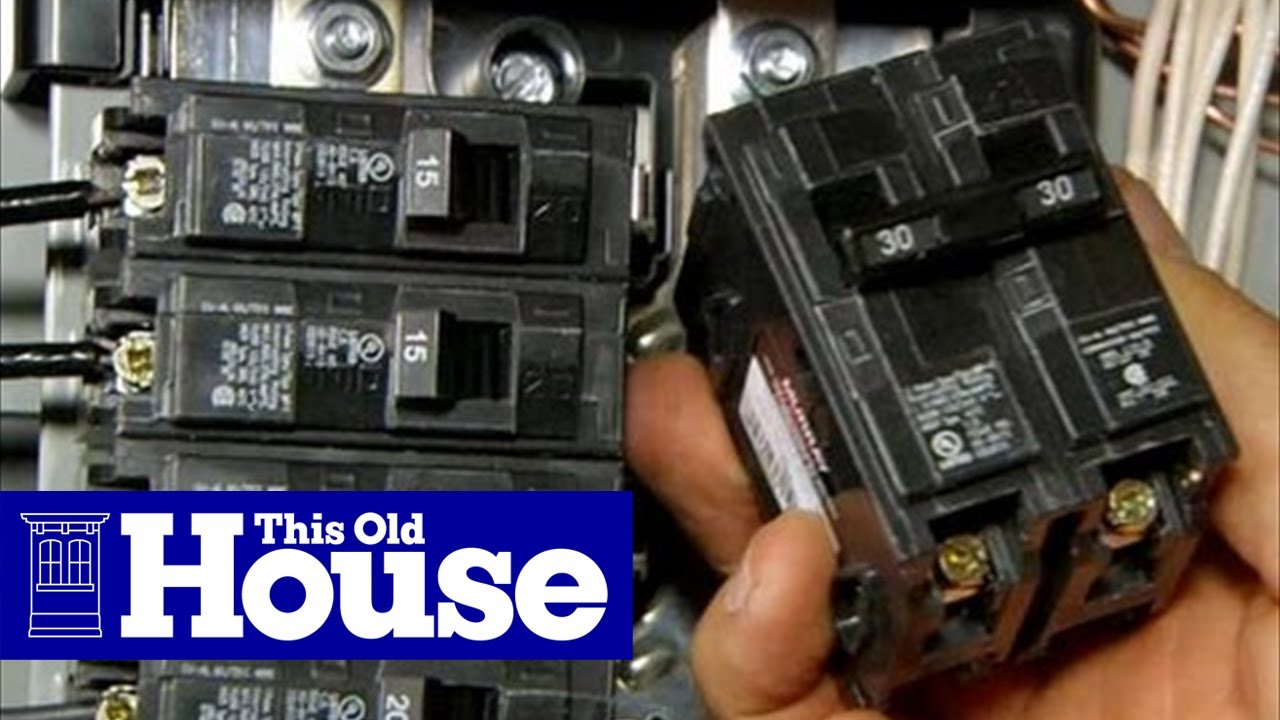
Where to Set Up RCDs for Maximum Safety And Security
To optimize security, you must purposefully install RCDs alike areas of your home, such as kitchen areas and washrooms, where dampness prevails. Additionally, consider outdoor electric installations, as these are extra subjected to ecological hazards. Risky device zones, like those with power tools or hefty equipment, also require RCD defense to minimize shock dangers.
Usual Areas in Homes
In any kind of house, ensuring electric safety and security is extremely important, and mounting Residual Current Devices (RCDs) in vital areas can considerably decrease the threat of electrical threats. You must think about putting RCDs in the first stage corridor, as it works as a central accessibility factor for electrical circuits. local electrician swale This installation guarantees that any faults in home appliances made use of often in the home are quickly discovered. Additionally, consider the attic storage space area, where electric devices may be saved and seldom accessed. RCDs below can supply an added layer of security against unexpected faults, specifically if electrical wiring is obsoleted or insulation has actually deteriorated. By purposefully placing RCDs, you boost safety and minimize potential electric risks in your house.

Exterior Electrical Installations
With respect to outdoor electrical installments, mounting RCDs is crucial for securing against potential dangers. You ought to position RCDs in locations where electric devices is revealed to moisture or extreme weather. Utilizing weatherproof rooms will improve defense and make sure reliability. RCDs keep an eye on ground fault measurements, quickly detecting imbalances that indicate existing leakage, which can pose significant threats outdoors. It's essential to install RCDs at the source of power supply for efficient operation, specifically for yard tools, illumination, and various other exterior circuits. Normal screening of RCDs is likewise needed to confirm they're operating appropriately, as this can stop electric shock or fire events. Prioritizing these procedures will greatly boost safety in your outside electric setups.
Risky Appliance Areas
RCDs need to continually be installed in high-risk device zones to optimize security and decrease the threat of electric shock. Determining correct home appliance positioning in these areas is crucial, especially in wet areas like bathroom and kitchens. Right here's a quick review of where RCDs are most reliable:
High-Risk AreaRecommended Activity Cooking areasSet up RCDs for all receptacles near sinks. Shower roomsUsage RCDs for all electrical gadgets. Outside AreasGuarantee RCDs secure all exterior plugs. Laundry AreasInclude rise defense for cleaning equipments.Testing Your RCD: A Step-by-Step Overview
Evaluating your RCD is crucial for guaranteeing electrical safety and security in your home. This guide will certainly walk you via the step-by-step procedure of evaluating your gadget, while highlighting typical errors to avoid. Recognizing these elements will certainly assist maintain the effectiveness of your RCD and secure against electrical dangers.
Importance Of RCD Testing
While it might appear uncomplicated, the significance of routinely checking your Residual Current Device (RCD) can not be overemphasized. This crucial method warranties your safety and security and the appropriate performance of your electric system. Here are 3 essential factors to focus on RCD screening:
- Security Versus Electric Shock: Regular screening confirms that your RCD will certainly journey during a fault, stopping severe injury.
- Regular Upkeep: Regular testing is a crucial facet of maintenance, guaranteeing the tool continues to be effective in time.
- Governing Conformity: Lots of policies mandate normal RCD screening, aiding you stay clear of legal problems and guaranteeing your facilities meet safety and security standards.
Step-By-Step Screening Process
Prior to you start the screening procedure, it's important to gather the essential devices and comprehend the steps involved. Beginning with a manual examination of the RCD, looking for any type of noticeable damages or signs of wear. Next off, make sure the power is off prior to continuing to simulation screening. Utilize an appropriate screening gadget to simulate a fault current; this commonly entails pushing the examination button on the RCD. Observe whether the device journeys within the defined timespan. If it does, your RCD is functioning appropriately. If not, more investigation is needed. Lastly, document your searchings for, noting any kind of abnormalities for future recommendation. Routine testing makes sure the RCD operates efficiently, giving essential protection versus electric faults.
Common Examining Mistakes
Despite having a careful detailed screening procedure, blunders can happen that concession the performance of your RCD testing. Here are some usual pitfalls to keep an eye out for:
- Incorrect Circuitry: If your RCD is wired poorly, it may not operate as meant, bring about hazardous conditions.
- False Positives: Often, RCDs can journey even when there's no actual mistake, commonly due to environmental elements or electrical sound.
- Test Button Use: Over time, the test button can break. Consistently examine its responsiveness to ensure reliable operation.
In addition, age-related failure can impact the RCD's performance. By knowing these problems, you can improve the reliability of your RCD screening and preserve a much safer atmosphere.
What to Do When Your RCD Trips?
When your RCD journeys, it's necessary to act quickly and carefully to assure safety and security and recognize the concern. First, do the reset treatment by switching over the RCD back on. If it trips again, you'll require to perform a fault examination.
ActionActionNotes Step 1Reset RCDTurn off home appliances first. Step 2Evaluate circuitsSeek harmed wiring. Action 3Examination devicesDisconnect and inspect each gadget.If the problem lingers after these steps, get in touch with a qualified electrician. Disregarding reoccuring tripping could cause severe safety risks. Constantly focus on safety and security during this procedure.
Choosing the Right RCD for Your Requirements
Selecting the best RCD for your needs is essential, as the wrong choice can endanger safety and security and capability. Here are three key factors to take into consideration:
- Current Score: Ensure the RCD matches the electrical lots of your circuit. A mismatch might cause problem tripping or insufficient protection.
- Sort of RCD: There are different kinds-- such as 2-pole or 4-pole-- each matched for details applications. Analyze your requirements meticulously.
- Brand Comparison and Installation Expense ****: Different brands use differing functions and integrity. Do not simply concentrate on the ahead of time cost; ponder lasting efficiency and warranty choices.
Often Asked Concerns
Can RCDS Avoid Electric Fires in Homes?
Yes, RCDs can help avoid electrical fires in homes. They detect ground mistakes by checking the flow of power and can shut off the circuit when an imbalance takes place. This fast response minimizes the threat of overheating and possible fire dangers. Additionally, while RCDs largely concentrate on ground fault security, integrating them with surge security tools boosts general safety and security, protecting your home from both electric mistakes and voltage spikes.
How Commonly Should I Replace My RCD?
You need to replace your RCD annually to ensure peak performance and security. It's vital to evaluate it monthly to validate it's functioning appropriately. Regular testing assists determine any prospective concerns before they escalate, while annual substitute assurances that the device meets present safety standards. Keeping a constant schedule for both testing and replacement reduces risks related to electrical faults, boosting your home's security against prospective threats.
Are RCDS Required by Law in All Residences?
Yes, RCDs electrician swale are normally needed by legislation in a lot of homes, making certain safety and security against electric shock. Nonetheless, there are homeowner exceptions relying on the age of the residential or commercial property and previous installations. It's crucial to remain upgraded on regional policies, as legislations can transform. Required evaluations often concentrate on RCD functionality to ensure conformity. You need to consult your regional authority to understand the details requirements relevant to your home.
Can RCDS Be Used Outdoors Securely?
Yes, RCDs can be utilized outdoors safely when housed in weatherproof units. These rooms protect versus dampness and environmental variables, ensuring reputable operation. Before using an outside RCD, it's vital to execute ground fault screening to confirm its performance. Normal screening prevents prospective hazards, ensuring that the tool trips properly in situation of mistakes. Always follow local policies and maker standards for exterior installments to boost security and efficiency.
What Takes place if an RCD Stops working?
If an RCD stops working, it may not trip throughout a fault, causing prospective electric shock or fire threats. Comprehending the failure modes is essential, as RCDs can malfunction as a result of use, moisture, or inner faults. Regular testing is vital to assure correct capability; without it, you go to threat. Constantly examine your RCDs periodically to preserve safety and security and protect against unsafe situations from arising in your electrical system. Remain positive; it is necessary.